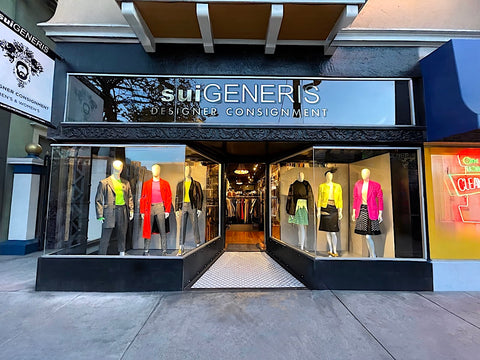
Dries Van Noten graduated from Antwerp's Royal Academy in 1981 and debuted his first menswear collection in 1986. The first flagship at Het Modepaleis opened in Antwerp in 1989, and womenswear followed on the Paris runway in 1993. The house is celebrated for textile development, print, color and layered tailoring more than conspicuous logos.
Dries Van Noten graduated from Antwerp's Royal Academy in 1981 and debuted his first menswear collection in 1986. The first flagship at Het Modepaleis opened in Antwerp in 1989, and womenswear followed on the Paris runway in 1993. The house is celebrated for textile development, print, color and layered tailoring more than conspicuous logos.
Anchors include 1986 first menswear, 1989 Het Modepaleis, 1991 Paris menswear and 1993 first womenswear show. Official biography/runway archives help locate prints and silhouettes by collection. Dries Van Noten's final collection as creative director was in 2024, so current-house production should be separated from founder-designed seasons.
03A
Read the garment
Dries Van Noten Clothing Label Analyzer
Upload the complete tag evidence or enter the visible code exactly. We interpret the visible information and identify where more evidence is needed.
Sui Generis Intelligence
Analyze Dries Van Noten labels
Add the label evidence available on the item. For clothing, a brand or neck label can support a bounded product result while care/product labels can supply visible size, origin, materials and identifiers. Up to four photos can be analyzed together.
Add up to four label photos. For clothing, include the brand/neck label and the care/product label when available; front and back tag photos can be analyzed together. The storefront does not save the selected photos.
Evidence photos0 of 4 photos
Optional: identify each photo as a Brand / neck label, Care / product label, or Code / stamp. This helps Sui Generis Intelligence keep line identity separate from production and care information.
Your label, explained
Submit the exact visible reference
Results distinguish visible label details, supported interpretation and information that remains unknown. Clothing references are assessed separately from handbag and footwear codes.
Sui Generis · Designer Collector’s Guides
Dries Van Noten Collector’s Library
Explore the house, its lines, its history and the details in our catalog. Save individual sheets or download the complete guide, including research credits.
A house name, a diffusion label, a product category and a collaboration describe different relationships. Use the wording on the piece to choose the appropriate comparison.
Dates describe the cited records. An ending year alone does not establish closure; the status above identifies discontinued lines where recorded.
Sheet 01
The house story
Dries Van Noten graduated from Antwerp's Royal Academy in 1981 and debuted his first menswear collection in 1986. The first flagship at Het Modepaleis opened in Antwerp in 1989, and womenswear followed on the Paris runway in 1993. The house is celebrated for textile development, print, color and layered tailoring more than conspicuous logos. Anchors include 1986 first menswear, 1989 Het Modepaleis, 1991 Paris menswear and 1993 first womenswear show. Official biography/runway archives help locate prints and silhouettes by collection. Dries Van Noten's final collection as creative director was in 2024, so current-house production should be separated from founder-designed seasons.
Sui Generis · Dries Van Noten · September 2026 edition
Use the complete sheet with its Sui Generis credit and link. Copy the embed below.
Sheet 04
Timeline · 1
Dries Van Noten began in 1986. Follow the dated milestones and the creative context below.
Sui Generis · Dries Van Noten · September 2026 editionRead the history & creative context
Dries Van Noten graduated from Antwerp's Royal Academy in 1981 and debuted his first menswear collection in 1986. The first flagship at Het Modepaleis opened in Antwerp in 1989, and womenswear followed on the Paris runway in 1993. The house is celebrated for textile development, print, color and layered tailoring more than conspicuous logos.
Anchors include 1986 first menswear, 1989 Het Modepaleis, 1991 Paris menswear and 1993 first womenswear show. Official biography/runway archives help locate prints and silhouettes by collection. Dries Van Noten's final collection as creative director was in 2024, so current-house production should be separated from founder-designed seasons.
Use the complete sheet with its Sui Generis credit and link. Copy the embed below.
Sheet 06
Read the label. Find the details.
Read the visible label, understand what it tells you, and see which additional details to check on this catalog example.
Sui Generis · Dries Van Noten · September 2026 edition
01
What you can read
DRIES VAN NOTEN
02
How to use it
The woven name is the clearest reliable reading here. Save the label photograph with the garment’s print, cut and fastening details for archive comparisons.
03
What to check next
Do not guess at the smaller characters from this image. Request a sharper label and full care tag before recording a size, code or season.
Marked size = the item’s original label. As a US company, Sui Generis lists a US size comparison; use the relevant brand/category chart and actual measurements to check fit. Understand the sizing systems.
Use the complete sheet with its Sui Generis credit and link. Copy the embed below.
Research & image credits
Historical and design references for these sheets are listed below. Catalog photographs show individual Sui Generis items. This independent educational guide is unaffiliated with the designer.
Dries Van Noten identifier research is organized by what the code is actually doing rather than by a generic 'serial number' idea. The guide separates product/style references, care-tag and season clues, serial/production context, and modern digital credentials. Read the complete care/info label: modern clothing often carries useful model, material/color, production or season information, but the meaning is line- and era-specific. Only documented formats are decoded automatically; everything else stays context-only until corroborated.
03
Materials & Making
Care/product labels can contain style references and manufacturing details. Use them with official runway/product archives to identify the piece. No universal public serial/date code is known across the house; collection identification is best documented by exact image/reference matching.
Before 'decoding' anything, identify what kind of identifier it is: RN/business ID, style/article number, size code, supplier/production reference, serial, date mark, season code, inventory barcode, RFID/NFC or digital passport. Different identifier types answer different questions and are not interchangeable.
Read the Dries Van Noten care label literally before trying to date it. Record composition, country of origin, manufacturer/company/RN where present, size, care symbols, languages and every style/production reference. Check whether those facts are plausible for the garment you are holding.
Care tags are frequently counterfeited because they look technical. Misaligned printing, inconsistent fonts, impossible fiber data, code formats from another era or labels whose wear does not match the garment are useful red flags. Do not cut away a questionable tag before photographing it; the contradictions may be the most valuable evidence.
04
Sui Generis Workflow
Photograph the complete object and every brand, care, composition, size and product-information label.
Transcribe the visible reference exactly, preserving letters, leading zeroes and punctuation.
Classify the identifier: style/article, season/date clue, serial/batch, RN/business ID, QR/NFC/RFID or digital passport.
Use the Identifier Reference Tool and the Codes & Identifiers section to interpret only documented formats.
Match the exact model/category/material/color and, when claimed, the exact runway or collection record.
Resolve contradictions against construction, materials, hardware, typography, country/origin information and provenance before reaching an authentication conclusion.
The people behind the house
Explore the founders and creative figures behind its different eras.
The newest five runway records appear first, followed by five closed decade drawers.
The 2024–2025 transition is labeled carefully: Spring 2025 menswear was the founder’s final runway appearance; Julian Klausner’s first women’s and men’s runway collections as Creative Director were Fall 2025 and Spring 2026.
Official house biography and Vogue Runway; art and collaboration milestones use partner/foundation sources.
04
Collector’s Guide
Dries Van Noten Clothing Details
Start with the label family and era, then move outward to fabric and construction. Dries Van Noten labels are generally understated and typography-led; label design can change while the garments themselves carry the stronger identity. For vintage and runway pieces, print/textile archive matching can be more persuasive than trying to date the garment from the neck label alone.
For Dries Van Noten clothing, useful evidence includes the neck/brand label, care and composition labels, style/product references, manufacturing information, hardware/trims and the physical quality of printed and jacquard textiles, silk, wool, cotton, embroidery, leather and unconventional seasonal fabric combinations. A garment that passes only the logo test is not authenticated.
01
Brand & Neck Labels
Dries Van Noten labels are generally understated and typography-led; label design can change while the garments themselves carry the stronger identity. For vintage and runway pieces, print/textile archive matching can be more persuasive than trying to date the garment from the neck label alone.
Sui Generis approach: first establish the likely era and product category, then compare the wordmark/logo, label construction, typography and placement to documented examples from that same period. A genuine vintage label can be very different from the current retail label.
Brand labels, size tabs and care/product labels should be assessed as a set. For Dries Van Noten, expected construction can change by line and era, but the label materials, edge finishing, stitch attachment, printing/weaving quality, fiber/origin information and wear should be internally coherent.
A label that looks older than the garment, a pristine label on a heavily worn item, a care label whose language/fiber data conflict with the garment, or obviously re-sewn label stitches are reasons to slow down. Alterations can move or remove labels, so document tailoring evidence before concluding the label was transplanted.
02
Care & Composition Labels
Read the Dries Van Noten care label literally before trying to date it. Record composition, country of origin, manufacturer/company/RN where present, size, care symbols, languages and every style/production reference. Check whether those facts are plausible for the garment you are holding.
Care tags are frequently counterfeited because they look technical. Misaligned printing, inconsistent fonts, impossible fiber data, code formats from another era or labels whose wear does not match the garment are useful red flags. Do not cut away a questionable tag before photographing it; the contradictions may be the most valuable evidence.
03
Style & Product Codes
Care/product labels can contain style references and manufacturing details. Use them with official runway/product archives to identify the piece. No universal public serial/date code is known across the house; collection identification is best documented by exact image/reference matching.
A strong workflow is: copy the reference exactly (including letters, punctuation and leading zeroes), search for exact matches, confirm the same category/silhouette/material/color, then compare the physical label font and placement. Counterfeiters can copy a valid style number from a genuine item, so a successful web match is supportive rather than conclusive.
04
Construction & Materials
Check print registration, jacquard/weave quality, embroidery, lining and deliberate layering. Many pieces juxtapose unexpected textiles; the combinations should still be technically resolved. Tailoring proportions and pattern placement are useful for comparing to runway images.
At Sui Generis, construction is compared to the specific design, not a generic luxury checklist. Deliberately raw, oversized, distressed or deconstructed pieces can be authentic, but the effect should still match documented examples and show intentional control.
Look More Closely
Details Worth a Closer Look
Generic floral print presented as proof of Dries Van Noten
A print/colorway that cannot be reconciled with the claimed collection
Weak textile or embroidery execution
Style/reference information that points to another product
At Sui Generis Designer Consignment in San Francisco, we treat authentication as a whole-item assessment. A correct-looking code, tag, dust bag, box, receipt, QR symbol, NFC feature, logo, or country stamp is useful evidence, but none proves authenticity by itself. Details change across eras, factories, categories, repairs, and special editions, while counterfeiters continually copy known markers. Compare several independent characteristics and escalate high-value or uncertain pieces for experienced physical review.
05
Leather Goods
Dries Van Noten Bag Details
Bags are generally design- and material-led. Compare textile/leather, print, embroidery, hardware, lining and product reference to the documented model. Small changes in seasonal fabric can distinguish otherwise similar silhouettes.
Begin by identifying the exact model/generation and comparing dimensions, materials, closure, interior, handle/strap configuration and product reference before focusing on logo minutiae.
01
Interior Brand Stamp
Apply the logo/label guidance to the bag's actual branding medium: foil or blind stamp, woven label, metal plaque, embroidery or molded hardware. Dries Van Noten labels are generally understated and typography-led; label design can change while the garments themselves carry the stronger identity. For vintage and runway pieces, print/textile archive matching can be more persuasive than trying to date the garment from the neck label alone.
Inspect spacing, depth, alignment and placement, but allow for the way leather grain, textile weave and wear change the appearance of a genuine stamp. A perfect-looking stamp on the wrong model is still a problem.
02
Serial & Style Codes
No brand-published universal unique serial-number system was identified for every product in this category. Numbers on care labels, leather tabs, soles, boxes, hangtags, or hardware may instead be style, size, supplier, production, or inventory references. Identify the code type and match it to the exact model and era before assigning meaning.
If a seller calls a shared style/reference number a 'unique serial,' verify that claim against a brand-published source before repeating it.
Care/product labels can contain style references and manufacturing details. Use them with official runway/product archives to identify the piece. No universal public serial/date code is known across the house; collection identification is best documented by exact image/reference matching.
03
Hardware & Stitching
Bags are generally design- and material-led. Compare textile/leather, print, embroidery, hardware, lining and product reference to the documented model. Small changes in seasonal fabric can distinguish otherwise similar silhouettes.
Inspect hardware from multiple angles: casting/machining, plating, logo engraving, screws/rivets, zipper action, clasp geometry and attachment to the body. Stitch length and tension should be consistent with the model, especially at handles, corners and stress points. Repairs can replace zippers, screws or straps, so note repair evidence separately from original manufacture.
04
Leather, Canvas & Lining
Expected materials may include printed and jacquard textiles, silk, wool, cotton, embroidery, leather and unconventional seasonal fabric combinations. Verify that grain, hand, thickness, weave/print and lining correspond to the exact model and stated composition.
Material should be assessed against documented examples rather than price-based assumptions: some authentic seasonal pieces intentionally use nylon, coated canvas, distressed leather or synthetic components. The question is whether the material is correct for that item and executed to the expected standard.
Look More Closely
Bag Details Worth a Closer Look
Generic floral print presented as proof of Dries Van Noten
A print/colorway that cannot be reconciled with the claimed collection
Weak textile or embroidery execution
Style/reference information that points to another product
Hardware, lining or leather/textile that conflicts with the exact documented model
A serial/style/QR clue treated as proof despite construction mismatches
At Sui Generis Designer Consignment in San Francisco, we treat authentication as a whole-item assessment. A correct-looking code, tag, dust bag, box, receipt, QR symbol, NFC feature, logo, or country stamp is useful evidence, but none proves authenticity by itself. Details change across eras, factories, categories, repairs, and special editions, while counterfeiters continually copy known markers. Compare several independent characteristics and escalate high-value or uncertain pieces for experienced physical review.
06
Footwear
Dries Van Noten Footwear Details
Dries footwear often uses distinctive color/material combinations. Verify last shape, sole/heel, insole branding, size/origin marks, textile/leather execution and exact seasonal colorway.
For Sui Generis intake, photograph the pair together plus outsoles, insoles, size/origin marks, heel/sole profile, toe shape and any style code. Confirm both shoes agree. Wear, protective soles and cobbler repairs can change original components, so document alterations before treating them as authentication failures.
07
Accessories
Dries Van Noten Accessory Details
Scarves and accessories are excellent places to inspect the house's textile quality. Check print/jacquard detail, edge finishing, labels and material composition against archived product images.
Because accessories are easy to separate from original packaging, authenticate the object itself first. Dust bags, boxes, cards and receipts are provenance clues only and can be switched or counterfeited.
08
Jewelry
Dries Van Noten Jewelry Details
Current collections include jewelry/accessory pieces. Authenticate model-specifically through casting, finish, clasp/attachment, color/material and product reference; do not expect a universal serial.
For higher-value pieces, distinguish fashion jewelry from precious-metal/fine-jewelry categories. Metal fineness, gemstones and hallmarks may require professional testing; visual logo comparison alone cannot establish material authenticity or value.
10
Method & Rights
Dries Van Noten Research Sources & Image Rights
Research method
Sui Generis organizes Dries Van Noten identifiers by function: product/style reference, care-tag or season clue, serial/production context, and digital credentials. A visible code is identification evidence, not an authenticity verdict. Exact date or season claims are published only when the format is documented for the relevant line and era.
Primary/public research links used in this pass:
- Official biography / timeline: https://www.driesvannoten.com/en-de/pages/biography
Confidence: High for directly cited official product/digital-program facts; Medium or Context only for secondary archival code patterns. No visible code is treated as an authenticity certificate.
Hero image rights
Brand names and marks are used for identification and education. Sui Generis Designer Consignment is not affiliated with or endorsed by Dries Van Noten.
Continue Exploring
Explore More Designer Collector’s Guides
Browse additional designer references from the Sui Generis collector’s library.